

Teaching in a Self-Contained Classical Grammar Classroom
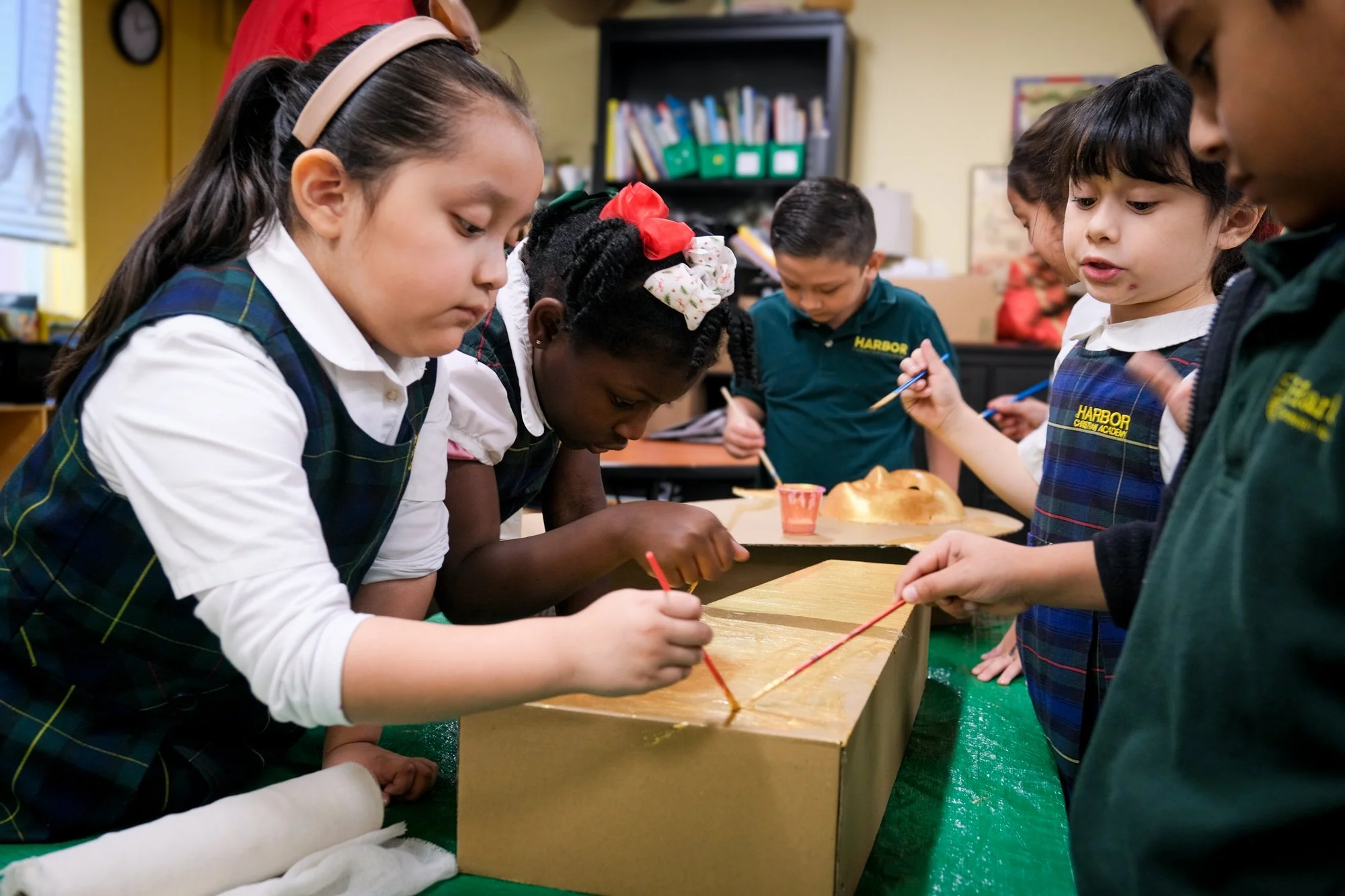
Teaching in a self-contained classical classroom at the grammar school level is both a calling and a ministry. In this model, one teacher shepherds students through most academic subjects, allowing for strong relationships, consistent expectations, and intentional discipleship. The classroom becomes a Christ-centered community where students are known, guided, and nurtured academically, socially, and spiritually.
At the grammar stage, classical education emphasizes laying a strong foundation through repetition, memorization, and joyful learning. Students are taught to delight in truth, goodness, and beauty as they develop essential skills in reading, writing, mathematics, history, science, and Bible. God’s Word is woven throughout the curriculum, helping students understand that all knowledge comes from Him and points back to His glory.
A self-contained classroom allows the teacher to model Christian character throughout the day and to integrate faith naturally into every subject. Lessons are grounded in Scripture, prayer, and a biblical worldview, encouraging students to grow in wisdom, humility, and gratitude. Consistent routines and loving discipline help cultivate virtues such as obedience, perseverance, kindness, and self-control.
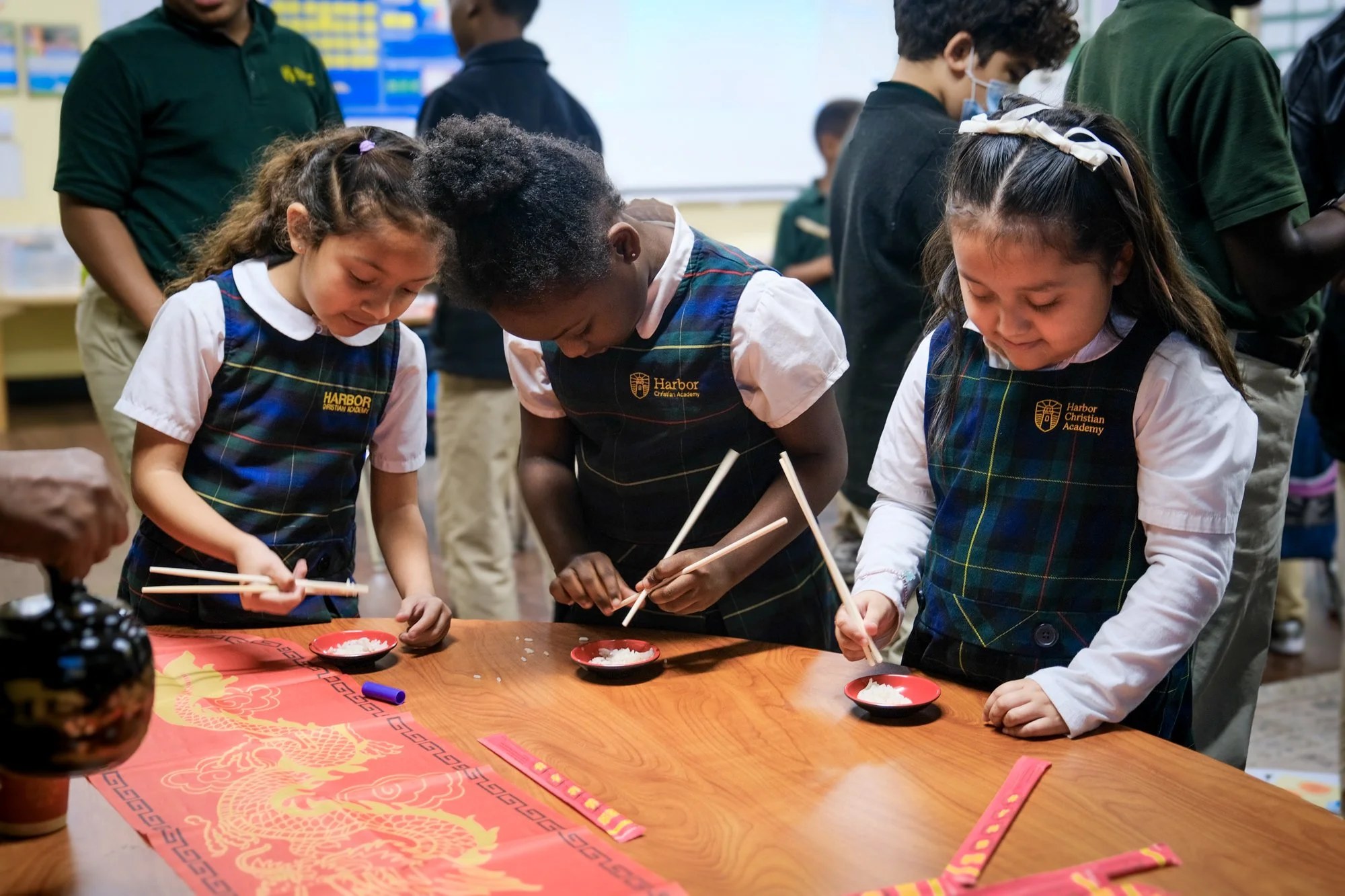
While this self-contained setting fosters a deep sense of family within our classroom, it also serves as a launching point for our students to engage with the broader school body through meaningful collaboration with other grade levels. During our humanities lesson on Ancient China, we read from Story of the World, our humanities book, about a young boy and his family who were rice farmers. After the story, we discussed how ancient cultures help us understand how people lived long ago. We learned that traditions teach values such as family, respect, and community, and how different cultures and religions share similar themes even when their traditions are different.
Since our fifth graders were also studying ancient China, I invited them to join our first grade class for a shared experience on the subject. Ms. Perlmutter and I collaborated on a lesson plan that would end with the students understanding more about ancient Chinese culture, traditions, values, and our shared religious beliefs. Both classes enjoyed the hands-on cultural experience, from exploring the definition of “tradition” to comparing ancient Chinese traditions with teachings from the Bible, to demonstrating appropriate etiquette when sampling food and drink. As students located China on a world map, Ms. Perlmutter also shared her knowledge, pictures, and stories from a recent visit to China. Our classes ended the collaborative time with the hands-on experience of eating rice with chopsticks and drinking tea, both staples in Chinese culture.
Ultimately, teaching in a self-contained classical grammar classroom is an act of faithful stewardship. At Harbor Christian Academy, our desire as teachers is to partner with families to train children in both mind and heart, pointing them toward Christ as the source of all truth. The goal is not only academic excellence, but the formation of young disciples who love God, love others, and approach learning as an act of worship.
—Bridgette Pope, First Grade Teacher, Harbor Christian Academy